The night before
Good filming days usually start the evening before. Not with elaborate preparation, but with three small acts that remove friction: batteries on the charger, a freshly formatted card in the camera, and the opening line of the script written by hand. When you wake up, the hardest decision — how to begin — has already been made.
If you film in a shared space, the night before is also when you agree on timing with the people you live with. A quiet hour negotiated in advance is worth more than acoustic foam.
Setting an imperfect room
Most independent creators film in bedrooms, kitchens and spare corners. These rooms have hard walls, noisy fridges and windows that face the wrong way. You can't fix all of that, but you can make it predictable. Mark your tripod feet with small pieces of gaffer tape so the frame is repeatable. Note which lamp goes where. Photograph the setup once it works, and keep the picture with your project files.
- Turn off the fridge, heating fan or anything that hums — and leave your keys on top of it so you remember to switch it back on.
- Soften reflections with what you have: a duvet over a chair, curtains drawn, a rug on a wooden floor.
- Place your key light at roughly 45 degrees to your face, slightly above eye level.
- Set exposure and white balance manually, then lock them so they don't drift between takes.
- Scan the frame edges for cables, mugs and anything you'd rather viewers didn't see.
Sound before picture
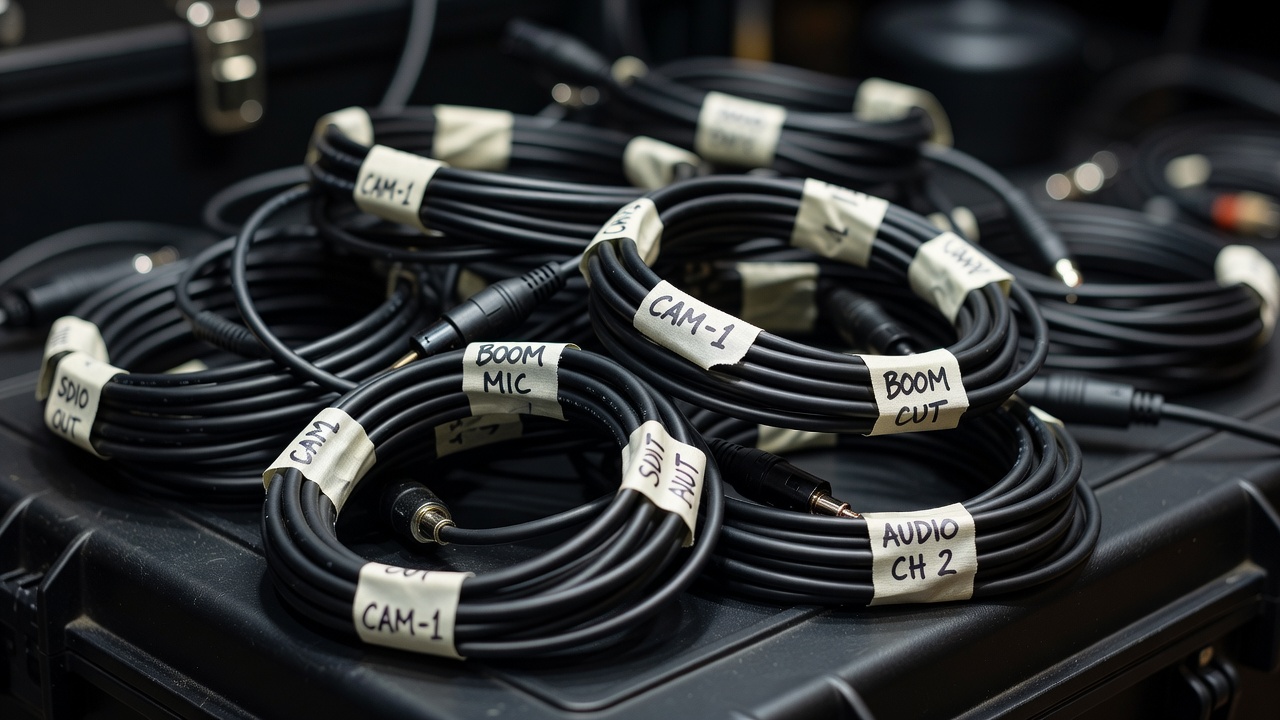
Viewers forgive soft focus far more readily than poor sound. Before filming, record about ten seconds of silence — room tone — and listen back on closed headphones. You'll hear the traffic, the computer fan, the buzz of a nearby charger. Fix what you can; note what you can't, because room tone also helps cover gaps in the edit later.
Keep your microphone as close as the frame allows. A lavalier clipped at the sternum or a small shotgun just out of shot both outperform a camera's built-in microphone. Aim for peaks somewhere around −12 dBFS while recording, leaving headroom for an unexpected laugh.
Ten seconds of listening saves an hour of repair. Put on the headphones before the first take, not after the last.
Starting the first take
The first take is a warm-up. Treat it that way. Say your opening line, then keep going without stopping, even if it's rough. Many creators find their energy settles by the third or fourth attempt. Use a simple verbal or visual slate — clap once and say the shot number — so you can find takes quickly in the edit. Walter Murch's editing habits, described in In the Blink of an Eye, start with knowing what you have; slating is how a one-person crew gives future-you that gift.
Work through the shot list in setup order, starred shots first. If something goes wrong, note it on the list rather than restarting the whole session.
The ten-minute kit reset
Stopping is a skill. When the session ends, set a timer for ten minutes and pack the kit in the same order every time. It is quieter work, but it decides how tomorrow begins.
| Item | Qty | Reset action | Home |
|---|---|---|---|
| Camera body | 1 | Cap on, card removed | Padded insert, top shelf |
| Batteries | 3 | Empty ones to charger | Pouch marked "charged" |
| Memory cards | 4 | Used cards to back-up wallet | Wallet by the computer |
| Microphones | 2 | Wind covers off, cables coiled | Small zip case |
| Lights | 2 | Cool down before packing | Stand corner, folded |
| Cables | 6 | Over-under coil, velcro tie | Labelled tub |
| Gaffer tape, clips | — | Check stock | Same tub |
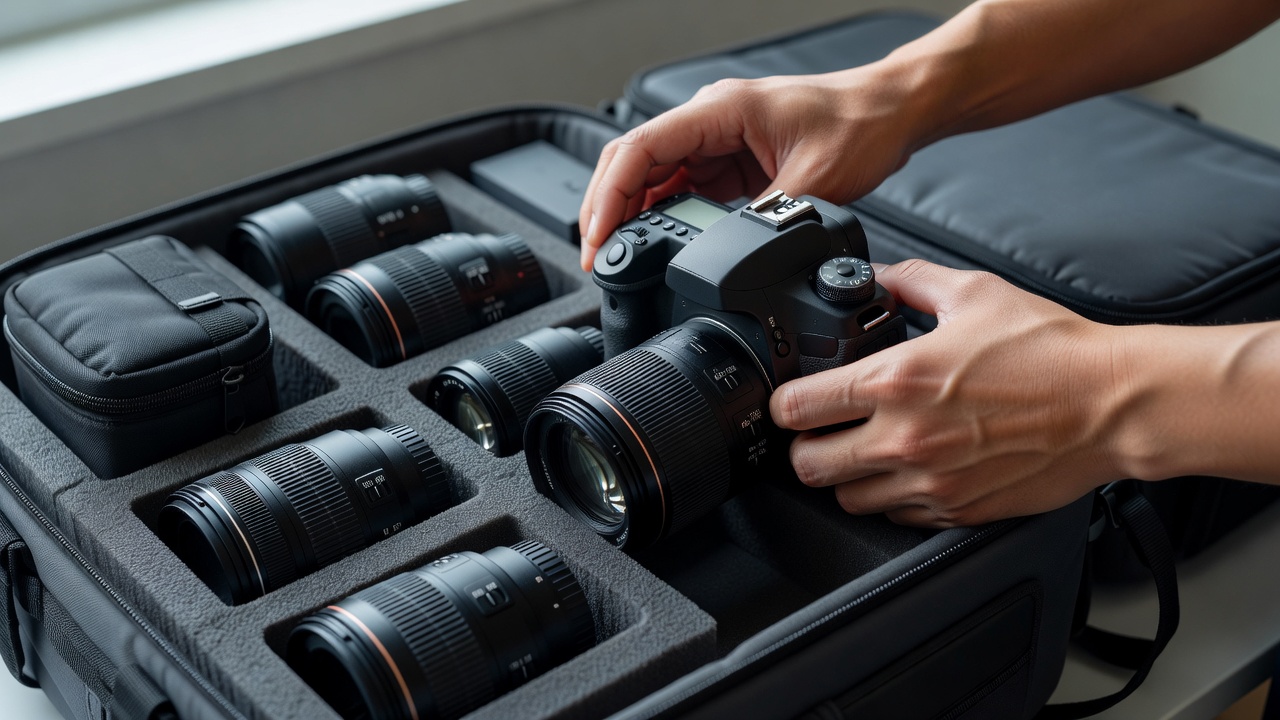
The point isn't tidiness for its own sake. A kit that's always reset is a kit that can be set up in five minutes when an idea or good light arrives unannounced.